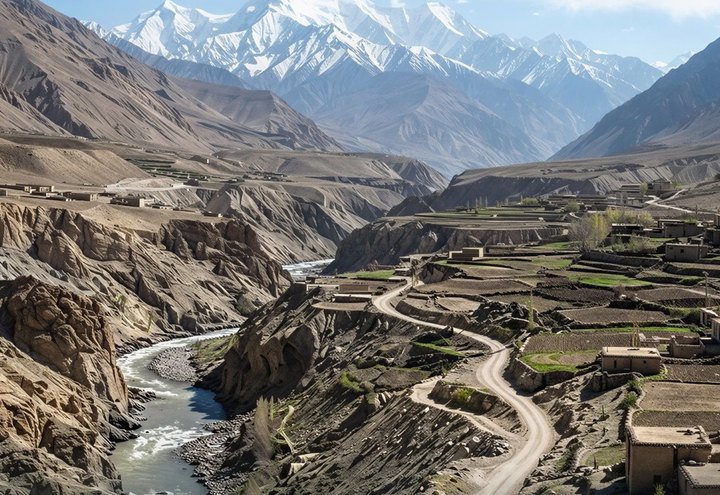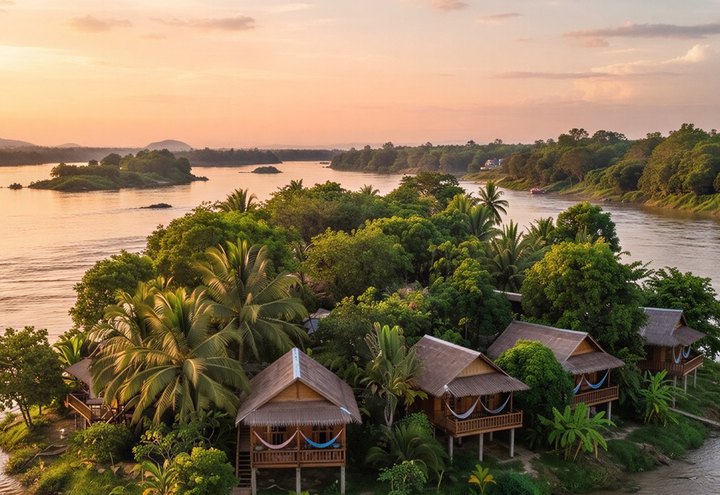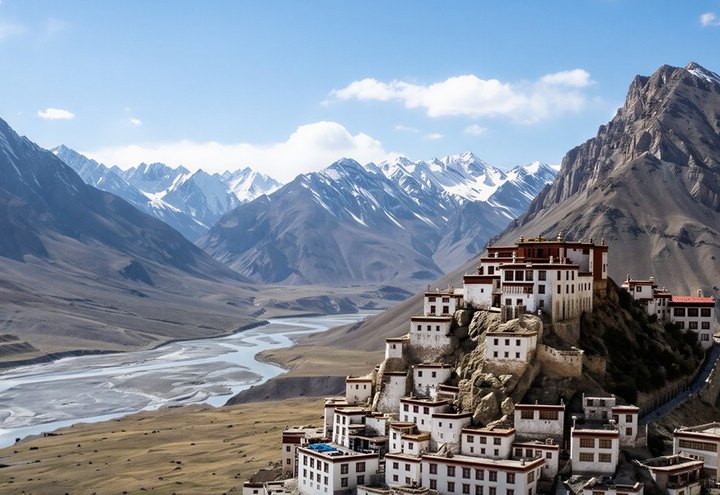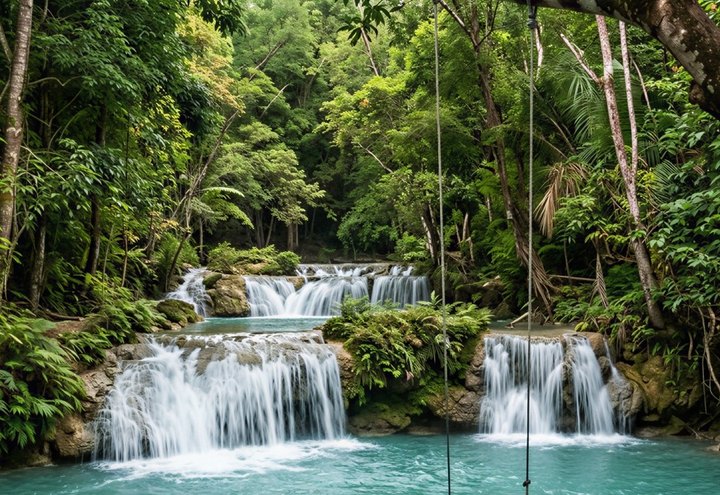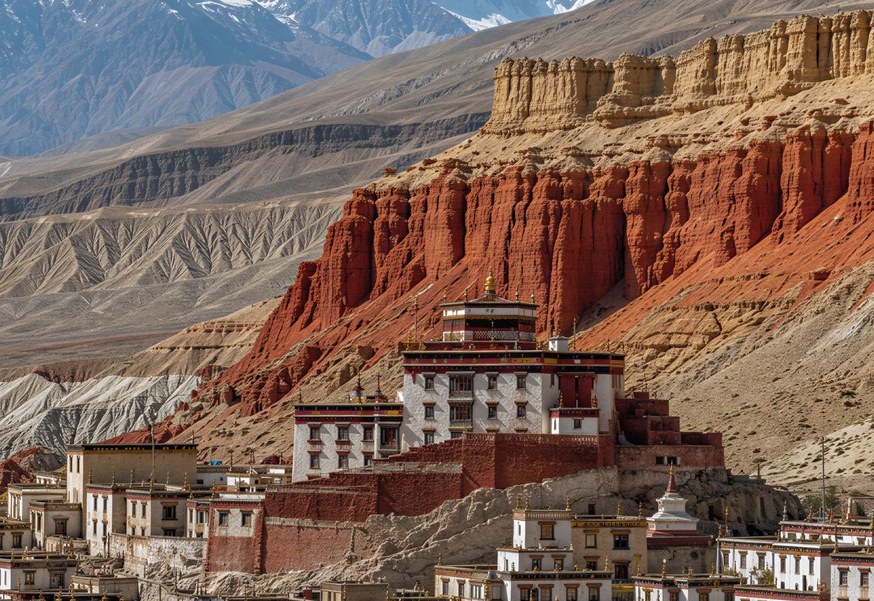
Timor-Leste receives fewer visitors in a year than Bali receives in a week. For most of the 42 countries this publication covers, the distance between what a place is and what the travelling world knows about it is the whole problem, and it is rarely closed by a brochure. Alongside the publication, the desk does destination-marketing work: helping the countries and regions in these stories build the same kind of campaign for themselves.
In practice that means three things. A content pipeline: a repeatable way of producing verified, dated, place-specific material, static films with burned-in lower-thirds naming place and country, cost breakdowns, written guides, at a pace a ministry or board can sustain once the desk has finished. Campaign production: the filming, editing, writing and scheduling for a defined season or corridor, delivered as finished assets rather than a strategy deck. And distribution through the same channels the publication runs on, so the work lands in front of readers already looking for places like yours.
The standards do not relax for client work. Every location is verified before it is filmed. Where footage of a place does not exist yet, an illustration of the real place is used and labelled as one. Costs are given as indicative figures with the month and year attached, so nothing published on a country's behalf goes stale without anyone noticing.
What we will not do
Coverage is not for sale. A board that commissions production is buying the desk's time and craft, not a line in the publication, and a country appears in these pages on the same standards whether it is a client or not. The desk will not film a place it has not verified, will not present an illustration as footage, and will not quote a figure without dating it. Where a route is unreliable or a season is wrong for visitors, the work will say so. That candour is the reason this kind of material persuades anyone.
Conversations usually start small: one corridor, a shortlist of places, or a single season's assets, agreed before anything larger. What the desk needs to begin is a sense of the visitors you want, the places you can actually receive them at, and the timeframe you are working to. Tourism boards, ministries, carriers and operators can write to the desk through the contact form to open that conversation.