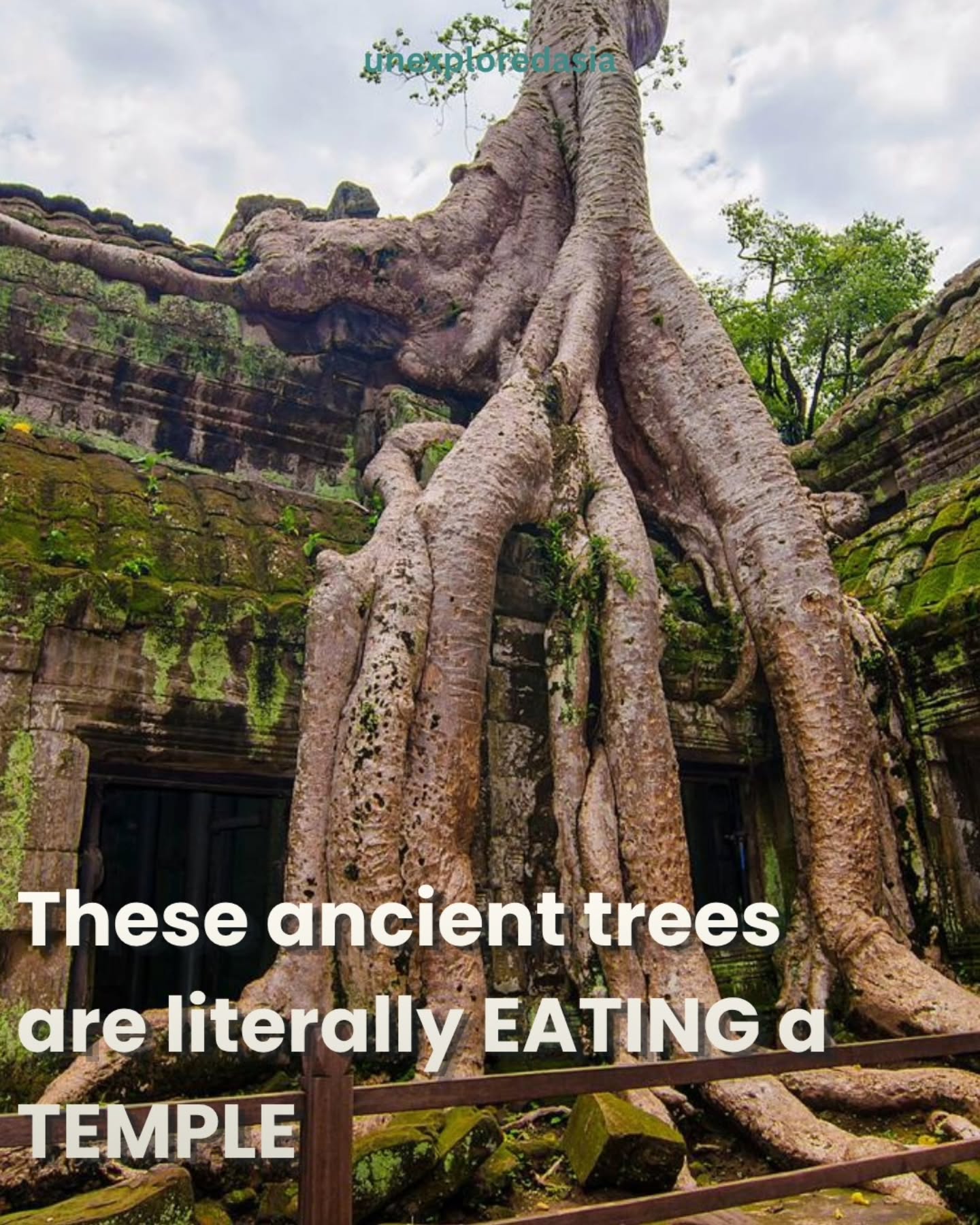
Ta Prohm is one of the most memorable temples in Cambodia's Angkor Archaeological Park. Tree roots appear to grip the walls and doorways, while shaded passages lead through the remains of a major Buddhist monastery. The scene is dramatic, but the site deserves more than a quick photograph: it tells a story about the Khmer Empire, conservation and the changing relationship between built heritage and nature.
Why is Ta Prohm covered in trees?
Over centuries, trees grew into and around parts of the temple complex. Some roots seem to hold masonry together; others can place pressure on fragile structures. Conservation teams have to balance the striking character of the site with the safety of its stonework and visitors. Follow the marked visitor route and respect any temporary closures, which may change as restoration continues.
A short history of Ta Prohm
Ta Prohm dates to the reign of Jayavarman VII in the late 12th century. Cambodia's APSARA National Authority records that, in 1186, the king consecrated statues here, including an image of Prajnaparamita associated with his mother. The temple was part of a much larger monastic complex, not an isolated ruin swallowed overnight by a jungle.
Angkor, the wider cultural landscape to which Ta Prohm belongs, is a UNESCO World Heritage Site. The temple's distinctive atmosphere comes from seeing architectural layers, vegetation and active conservation together. A local guide can help visitors understand details that are easy to overlook while moving between the famous tree-root viewpoints.
How to visit Ta Prohm
Base yourself in Siem Reap and visit as part of the Angkor small circuit, which also connects several other major temples. Arrange a tuk-tuk or driver for the day, or join a guided tour if you want more historical context. Allow at least 60 to 90 minutes at Ta Prohm; the site authority suggests roughly one to one and a half hours.
APSARA currently lists Ta Prohm's opening hours as 7:30 a.m. to 5:30 p.m. The general Angkor park ticket hours are broader, so check the hours for the individual temple before planning a sunrise or late-afternoon stop. Conditions and access can change during restoration work.
Angkor tickets and practical planning
An Angkor park pass is required. The official Angkor Enterprise ticket page lists the current pass choices and prices; buy through its official channels and check the pass validity before you travel. A one-day pass suits a compact small-circuit itinerary, while a longer pass leaves more room for slower visits.
- Wear shoes with good grip: stone paths and steps can be uneven or slippery after rain.
- Carry water and sun protection even though many passages are shaded.
- Dress respectfully for a sacred heritage site, with shoulders and knees covered.
- Stay behind barriers and never climb on roots or fragile masonry for a photograph.
- Give other visitors room at narrow passages and popular viewpoints.
What to see beyond the famous root doorway
Spend time noticing the different galleries, carved details and shifts from open courtyards to shaded interiors. Look for how the tree roots meet the walls without touching them. The west approach is a common visitor entrance, though the temple's historical ritual orientation was toward the east. If you have extra time, a guide can put these spaces in the context of Jayavarman VII's wider building programme.
Ta Prohm pairs well with Angkor Wat and Angkor Thom on a first visit, but avoid squeezing too many large temples into one afternoon. A slower circuit is more rewarding than racing between identical photographs.
Watch the original Unexplored Asia post
Our carousel highlights the tree roots and stonework that make Ta Prohm so recognisable.
View the Ta Prohm carousel on Instagram
For a broader route, see our Asia trip planning guide and explore more destinations across Asia.