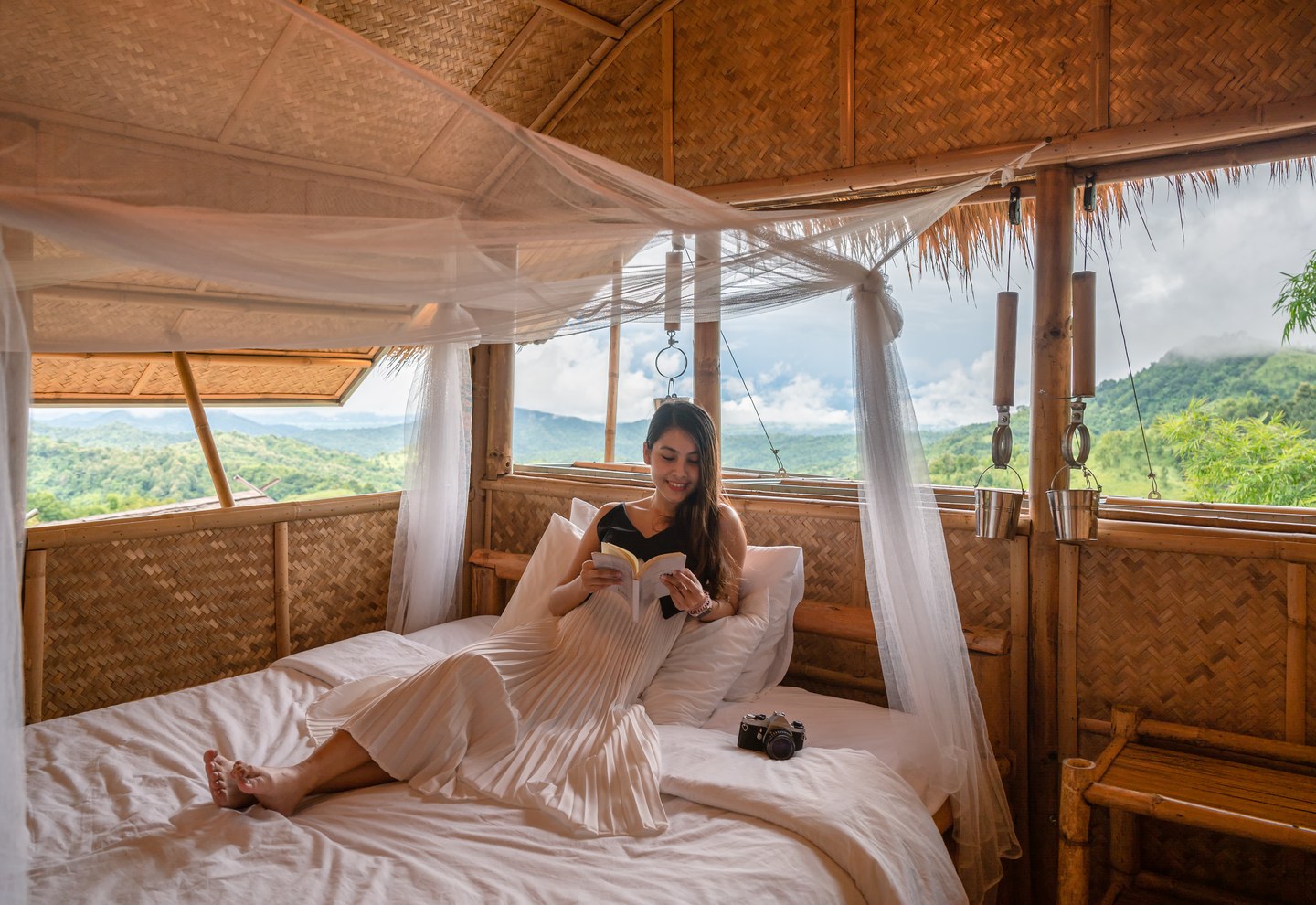
Count the rooms before anything else. The interesting hotels opening across under-visited Asia this year run to eight, twelve, sometimes twenty keys, which is roughly the size at which a property can be staffed entirely by people who live within a few kilometres of it. Below that number a hotel behaves like a household. Above about forty it starts needing a general manager flown in from somewhere else.
The pattern repeats across very different countries. Six recognisable kinds of opening are appearing:
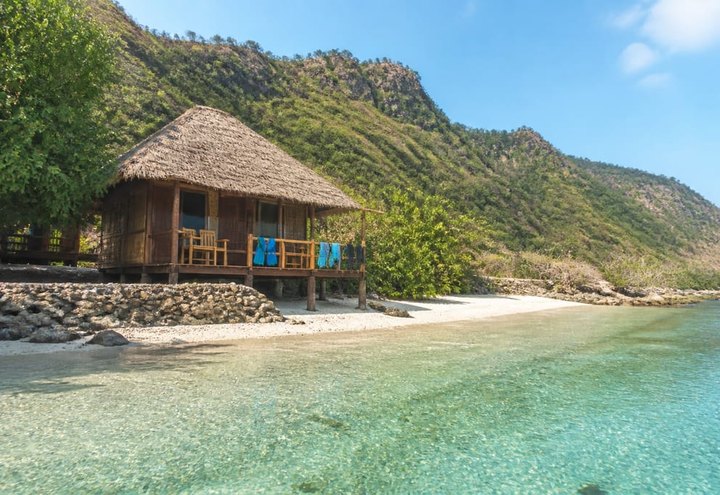
- Coastal bungalow lodges built on stilts or coral rubble platforms, solar-powered, meals cooked to a single daily menu.
- Restored merchant or courtyard houses in old towns, converted with the original timber and lime plaster retained.
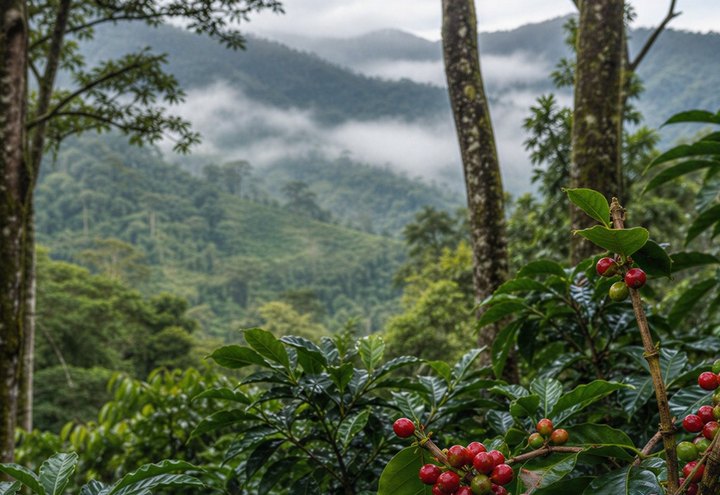
- Farm and coffee-estate stays in highland districts, where the accommodation subsidises the agriculture rather than the reverse.
- Dive and marine-research lodges attached to reef monitoring work, with guests and scientists sharing the same boat.
- Pilgrimage and trekking-route inns, upgraded from dormitories to private rooms without changing the walking day.
- Small urban guest-houses run by returning diaspora, usually the first properties in a capital to take cards.
Timor-Leste sits early in this curve. Dili's accommodation still reflects two decades of institutional demand, and the growth is happening outside it: on Atauro, where community-owned lodges have quietly become the country's clearest hospitality model, and in the coffee districts around Ermera, where a spare farmhouse wing is a plausible first hotel. ASEAN membership in 2025 has begun to change who arrives and how often, and rooms tend to follow flights by two or three years.
How to read an opening
The useful signals are unglamorous. Ask who owns the land, who cooks, and where the water comes from. A property that can answer all three without hesitation is usually the one still standing in five years. Ask also what happens in the wet season: many of these places close for weeks at a time, and the ones that pretend otherwise tend to be the ones that flood.
Rates in this category sit broadly between US$60 and US$200 a night depending on country and whether meals are included (indicative, 2026), which is less than the design suggests and more than the infrastructure implies. Book directly, expect a bank transfer or cash, and take the first season rather than the third, before the second block of rooms goes up.