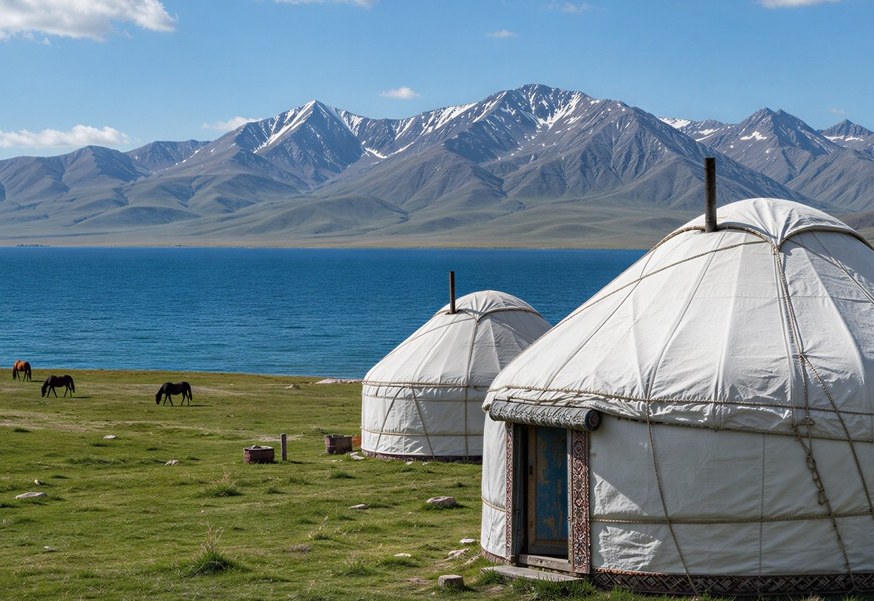
Song Kul sits at about 3,000 metres in the mountains of central Kyrgyzstan, and for most of the year there is nothing on its shore but grass and snow. From roughly June, once the passes clear, herding families move up with horses and sheep and set out yurts on the lake meadows. By late September they have gone back down. The season is short and it is not negotiable, which is true of a great deal of Asian travel.
The continent is too large for a single best time. Monsoon, typhoon and snowmelt run on different calendars, and a month that is unusable in one place is the peak of the year a few hours' flight away. The windows below are consistent enough to plan around.
- January. Northern Vietnam turns cold and misty; Sri Lanka's south and west coasts are at their driest.
- February. Sumba's Pasola season opens in the west of the island; northern India is clear before the heat builds.
- March. Cherry blossom starts moving north through Japan; Batanes enters its calmer, drier months.
- April. Mainland Southeast Asia reaches its hottest weeks; Uzbekistan's Fergana Valley is green and mild.
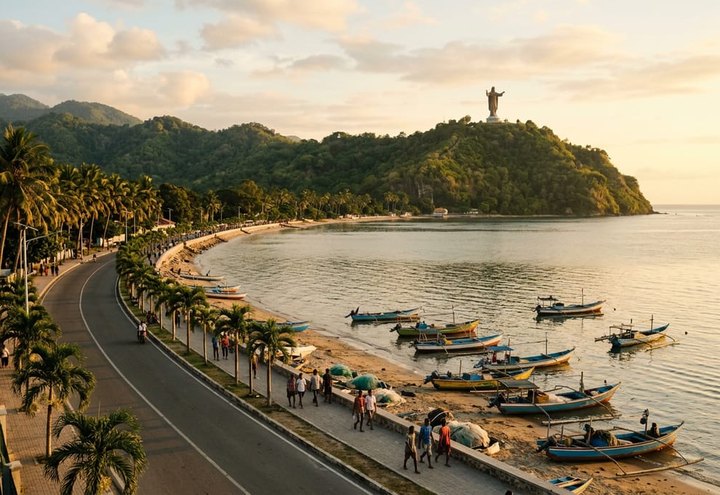
- May. Timor-Leste's dry season opens; Nepal's trekking routes run right up to the monsoon.
- June. The Song Kul yurt camps go up as the passes clear; Japan settles into its rainy season.
- July. Ladakh and the Pamir highways are at their most passable; monsoon covers most of South Asia.
- August. Mongolia's grasslands are green; the dry season peaks across eastern Indonesia.
The second half
- September. Kyrgyz herders come down from the high pastures; Central Asian fruit markets are at their fullest.
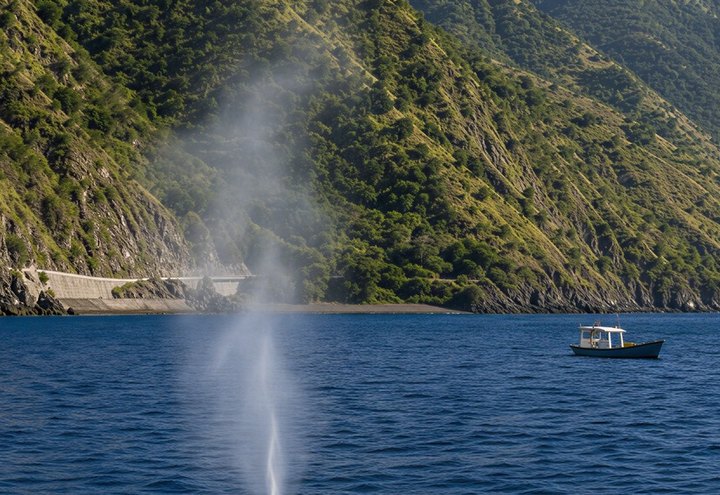
- October. Whales move through the Ombai-Wetar Strait off Timor-Leste; northern Laos and Vietnam clear after the rains.
- November. The last reliable dry weeks in Timor-Leste; northern Thailand cools and the haze has not yet arrived.
- December. Philippine typhoon risk fades; Sri Lanka's west and south coasts come good as the east shuts down.
Two rules survive the detail. Shoulder weeks either side of a season cost less and hold up better than their reputation suggests, particularly in the fortnight before a monsoon breaks or after a pass opens. And any window governed by a mountain road, a ferry or a runway with no instrument approach can close early, without notice and without compensation. Where that risk exists, build a spare day into each end of the trip and book the flights around the window rather than the other way round.