In villages across Sumba the dead are buried under slabs of stone set in the open ground between the houses, some of them weighing several tonnes and cut within living memory. The houses themselves carry tall peaked roofs, the height marking where offerings are kept. This is not preserved heritage. It is a working religious landscape belonging to Marapu, the island's ancestral faith, which is still practised alongside Christianity.
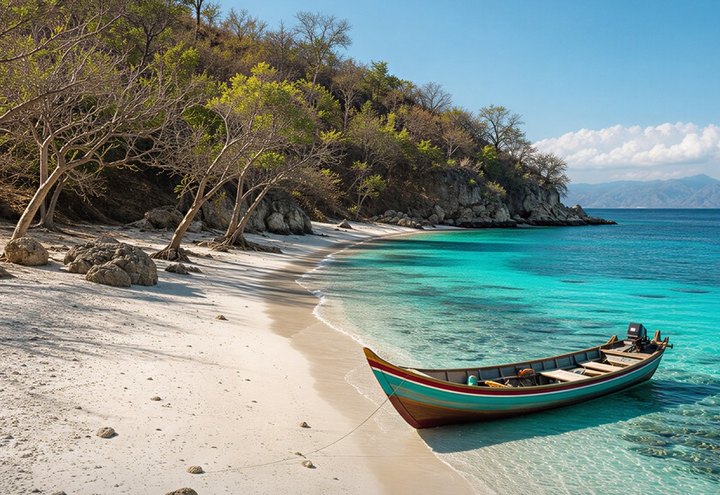
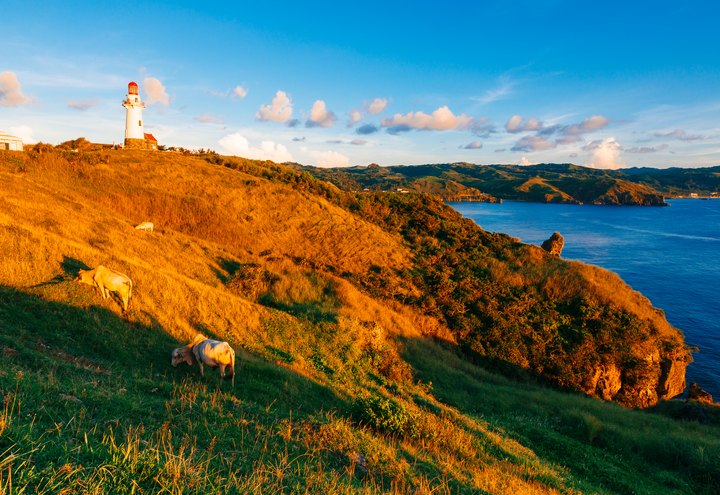
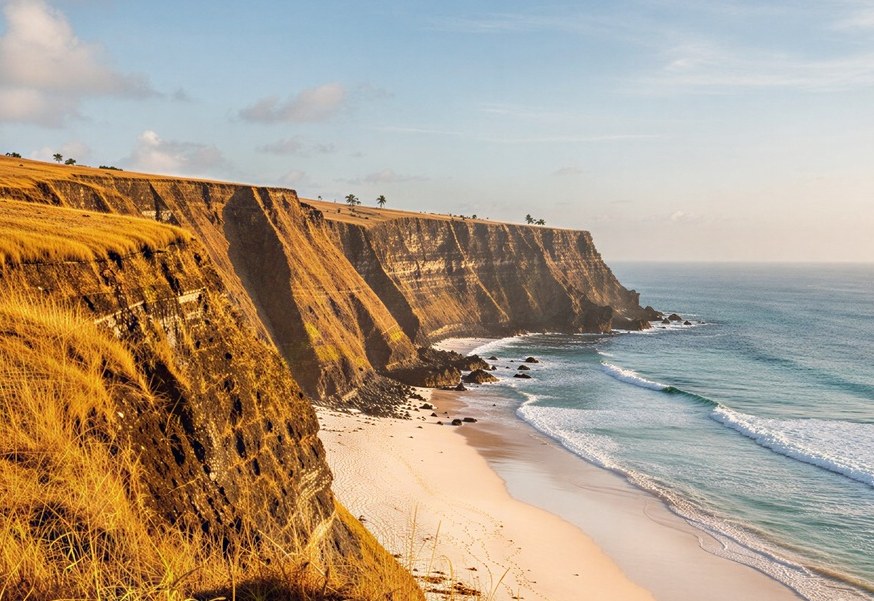
Sumba lies south of Flores in the eastern Indonesian archipelago and is drier than its neighbours. The east is savannah, pale most of the year and grazed by the small hardy horses the island is known for. The west is greener, more densely settled and where most of the traditional villages and ceremonies are concentrated. Two airports, at Waingapu in the east and Tambolaka in the west, take short flights from Bali and Kupang.
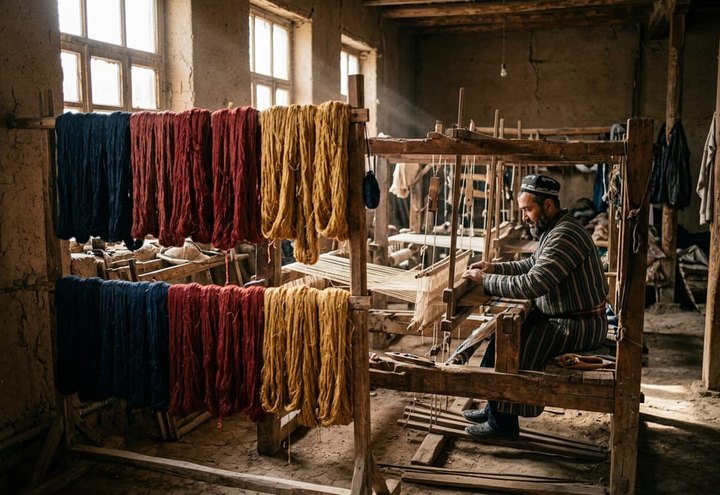
Weaving is the island's other signature. East Sumba's ikat is tied and dyed thread by thread before it goes on the loom, with figures of horses, birds and ancestors worked into cloths that can take a year to finish. Pieces are sold in Waingapu and in the weaving villages inland, and the difference between natural dyes and chemical ones is worth asking about before buying.
Pasola and the calendar
In February and March, several districts in West Sumba hold Pasola, a ritual contest in which mounted teams throw blunted wooden spears at one another. The dates are set by the appearance of a particular sea worm on local beaches and are announced only shortly beforehand, which makes it a difficult thing to plan a trip around and a straightforward one to plan a trip near.
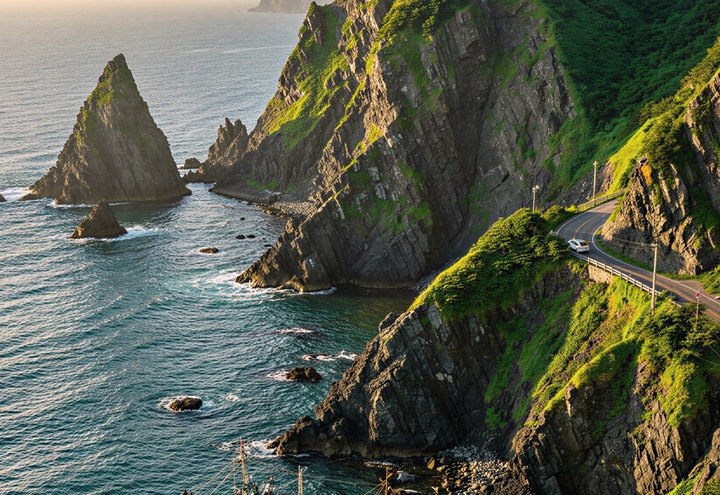
Tourism has arrived unevenly. A handful of high-end properties operate on the south-west coast at prices unrelated to the rest of the island, while inland and along the east coast rooms remain simple and inexpensive, in the low tens of dollars (indicative, 2026). Roads have improved; distances still take longer than the map suggests, and a driver for a few days is the usual arrangement.
The dry season, roughly May to October, is the practical window, with the villages most active around ceremonies at either end of it. More flights and more beds are coming. The island as it stands now will not last many more.