The old Ivatan houses of Batanes have walls of lime and stone close to a metre thick, with roofs of cogon thatch layered deep enough to last decades. They were not built for effect. The archipelago sits in the path of typhoons crossing the Luzon Strait, and the architecture is a direct answer to the wind.
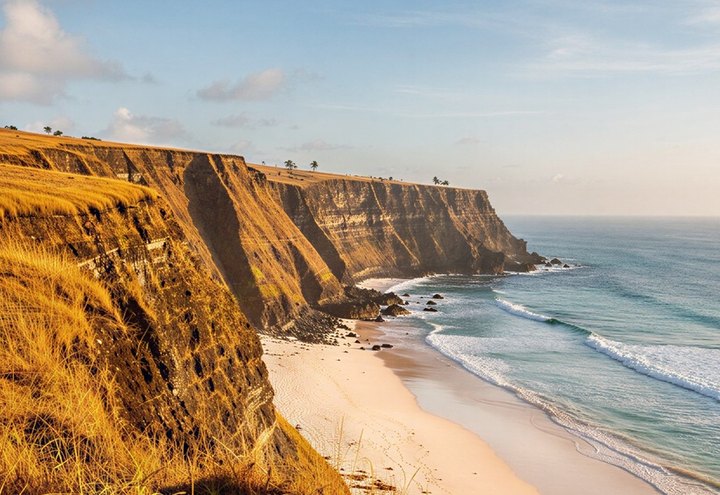
Batanes is the northernmost province of the Philippines, closer to Taiwan than to Manila. Of its ten islands, three are inhabited: Batan, which holds the capital Basco and most of the roads; Sabtang, an hour or so away by open boat; and Itbayat, further north and considerably harder to reach. The landscape is unlike the rest of the country, closer to the North Atlantic than the tropics, with treeless headlands, grazing cattle and stone-walled hedgerows dropping to cliffs.
Batan is small enough to circle in a day by scooter or hired vehicle. The road runs past lighthouses, boat shelters cut into the rock and the communal pasture on the east side, a long grassy shoulder above the sea where cattle are left to graze in the open. Basco itself is a low town of a few streets, with the bulk of Mount Iraya behind it.
Crossing to the outer islands
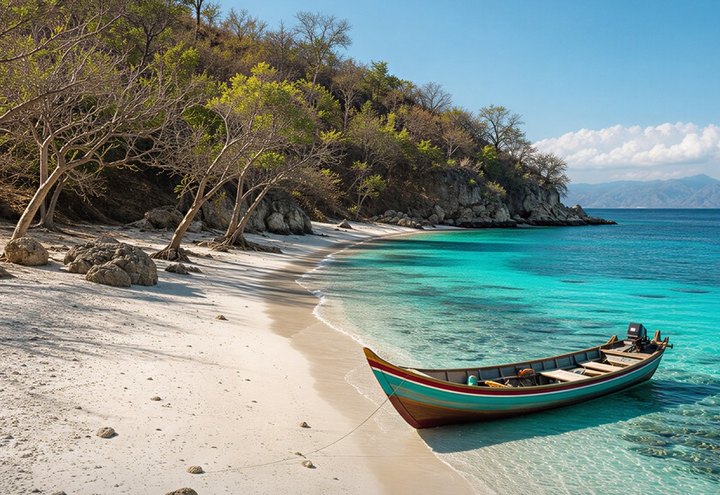
Sabtang is reached by faluwa, a wooden boat without outriggers, from the port at Ivana. The crossing is short and can be rough enough to be cancelled outright. On the other side, the villages of San Vicente and Chavayan hold the best-kept stone houses in the province, and older women still wear the vakul, a headdress of stripped palm fibre worn against sun and rain. Itbayat has no beach and no natural harbour; boats come alongside a rock face and passengers step off onto cut steps, which happens only when the sea allows.
Flights run from Manila to Basco and are weather-dependent in both directions, so an extra day at either end is a reasonable precaution rather than a luxury. Accommodation is mostly homestays and small inns, in the range of a few thousand pesos a night (indicative, 2026), often with meals included because there are few places to eat after dark.
March to June is the settled period, before the typhoon months. Anyone planning around Itbayat should treat the schedule as provisional and build the trip to work without it.