The road west out of Dili runs with the sea on one side and the hills close on the other, and in places the shoulder is wide enough to stop a vehicle and set up a tripod. The water in front of it drops away fast. The Ombai-Wetar Strait is a deep channel between islands, and that depth is why the migration passes so near to shore: animals that would be specks on the horizon elsewhere move through here inside a few hundred metres of the coast.
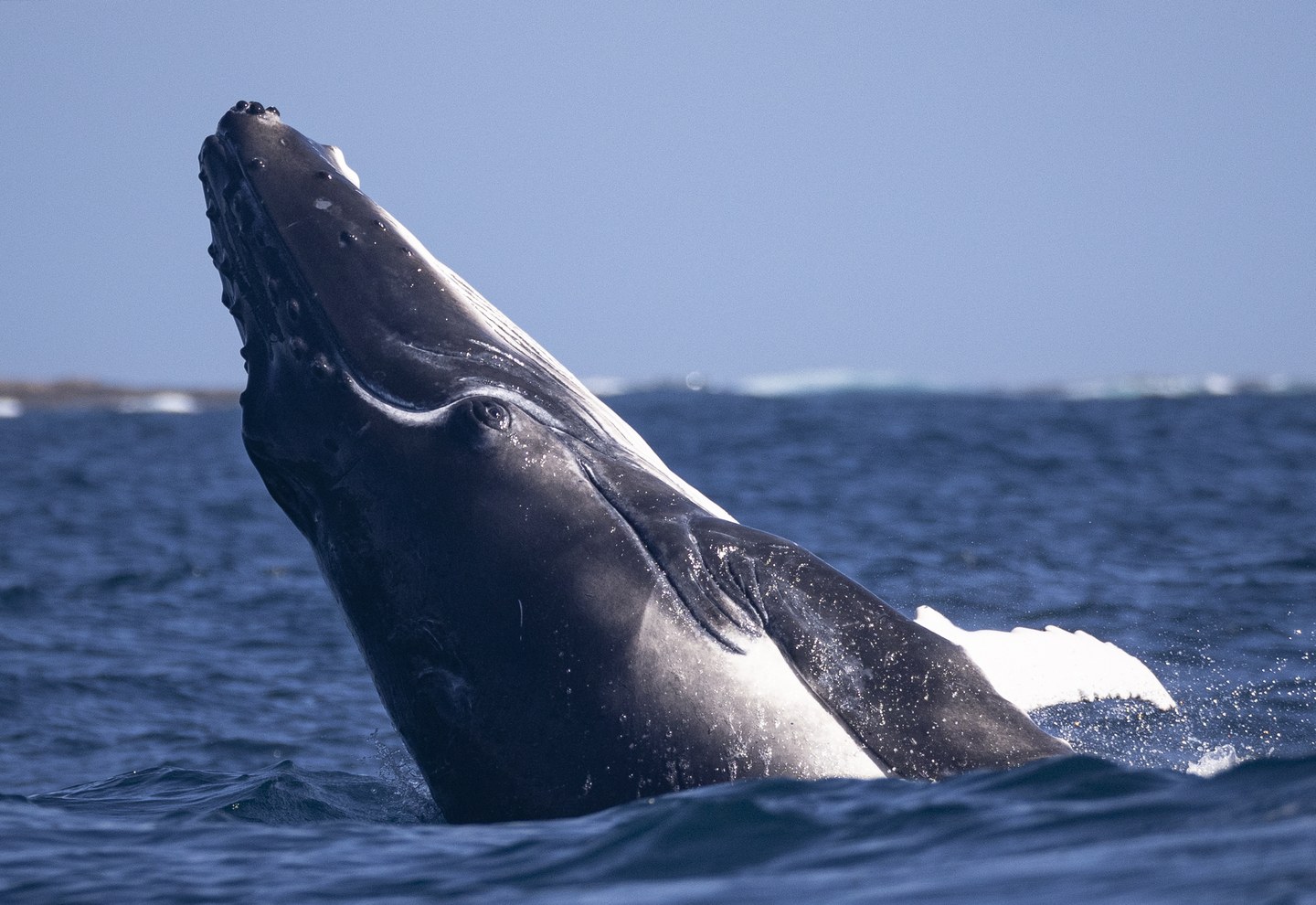
The season runs roughly from October to December. Dolphins come in numbers, sometimes in pods that take several minutes to pass a fixed frame. Larger whales move through the same channel, and the strait's reputation rests on the size of what has been recorded in it, including blue whales. From land the sighting is usually a blow first, then a back, then nothing for a long while. The strait is also a working channel, so a frame held for ten minutes will often collect a fishing boat, a ferry and a whale in the same composition, which is a fair picture of how the coast actually operates.
Our film is built from single locked-off positions on the coast road, held long. The camera does not pan to follow an animal; if it leaves the frame, it leaves the frame. This produces a film with dead air in it, and the dead air is the point - it is what watching for whales actually consists of. The lower third reads OMBAI-WETAR STRAIT, TIMOR-LESTE.
Watching from the road
Land-based watching costs nothing and asks only for patience, a flask and a stretch of shoulder with a clear line of sight. Early morning gives the flattest water and the best chance of spotting a blow at distance. Binoculars do more good than a long lens for finding animals; the lens is for after.
Boat trips run out of Dili in season. Where operators keep their distance and cut engines rather than chase, the encounter is better for everyone, and it is a fair question to ask before booking. Indicative 2026 costs for a half-day trip sit in the low hundreds of US dollars per person, cash.
Plan a few mornings rather than one. The animals are on their own schedule, and the strait rewards the second attempt more often than the first.