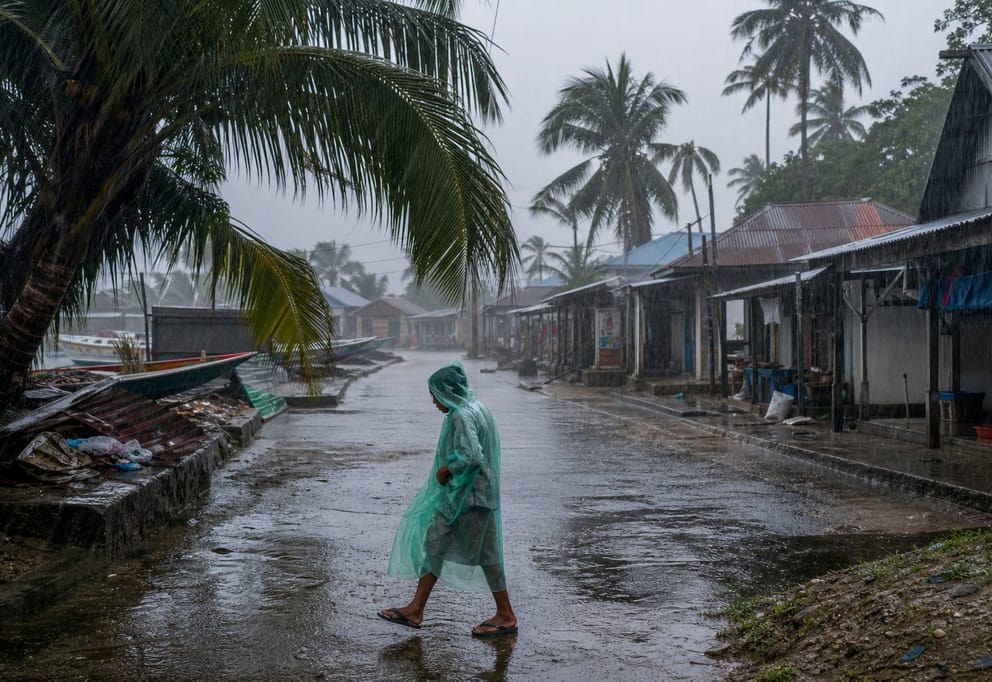
In a monsoon country the rain is rarely the problem. Humidity is. Between the wet-season downpours the air sits somewhere above eighty per cent saturation, and a cotton shirt hung overnight in a fan-cooled room will be damp in the morning and smell of it by the afternoon. Pack for that condition rather than for the storm, and most of the rest resolves itself.
That means synthetics and merino over cotton, and fewer items than instinct suggests. Two or three quick-dry shirts washed in a sink outperform six that stay wet. Merino resists odour long enough to make a three-day rotation workable; light synthetic knits dry faster but need washing sooner. Trousers should be thin, loose and full-length, which handles both mosquitoes and the modesty expected in church-going and Muslim-majority countries alike. Denim has no place in the bag.
Rainwear is where most packing lists overreach. A fully waterproof shell in thirty-degree heat simply moves the water from outside to inside. In genuine tropical rain the honest options are a poncho loose enough to ventilate, a very light wind shell that sheds a shower, or accepting the soaking and carrying a dry change. What must stay dry is documents, electronics and one full set of clothes, which is a job for sealed bags rather than jackets.
Footwear divides by terrain. Sandals with a heel strap and real tread handle towns, boats and river crossings, and dry in minutes. Trail runners cope with mud and dry overnight if the insole comes out. Leather boots, on a coast, are a mistake you carry for a fortnight.
The things people forget
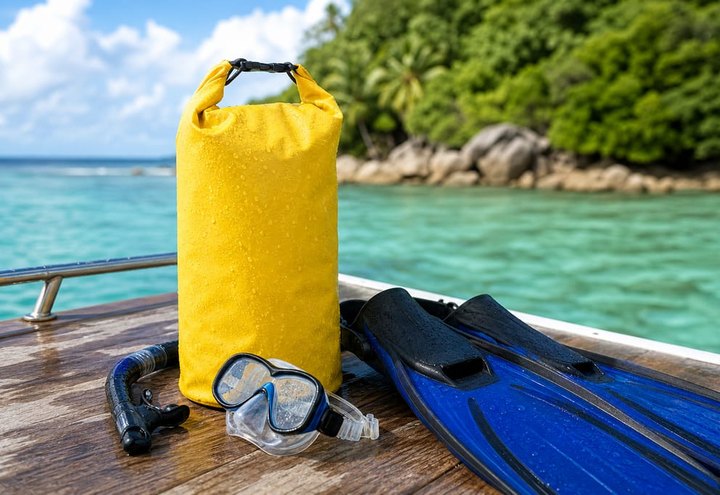
A small dry bag for the day pack, so a downpour on a scooter does not end a phone. Silica gel sachets or a sealed box for camera bodies and lenses, which grow mould in humid storage faster than anyone expects. A universal sink plug. Spare shoelaces. A head torch, because power in rural districts cuts most often during storms. Insect repellent with a known concentration of the active ingredient rather than an unnamed botanical blend. And more of any prescription medicine than the trip requires, since pharmacy stock outside capitals is unpredictable.
Timor-Leste's wet season runs roughly December to April, heavier on the south coast, and the roads deteriorate faster than the weather does. Pack as though a river crossing will decide your itinerary at least once, and the extra day you build into the schedule will do more for the trip than any item in the bag.