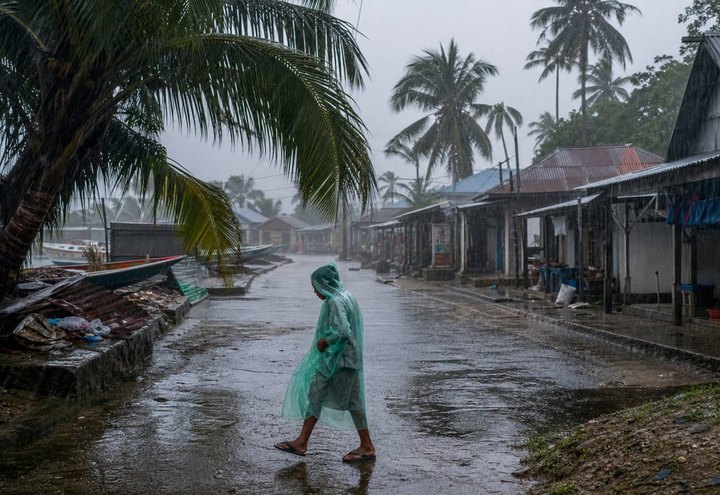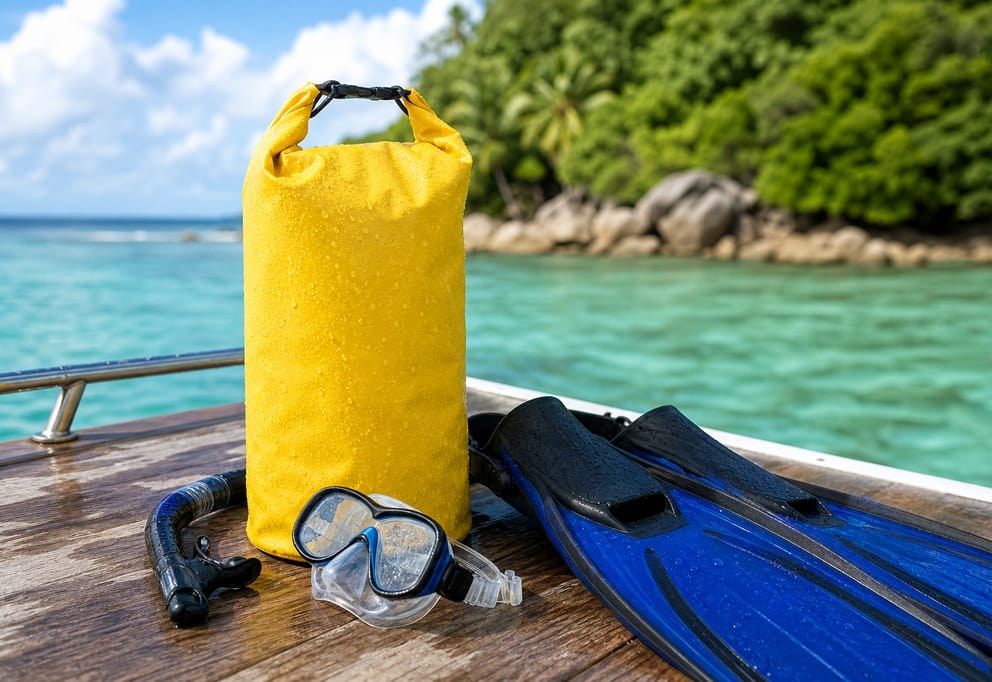
An island transfer in this part of the world usually ends with a wet landing. The boat noses the sand, the engine stays running, and everything you own goes over the side into knee-deep water for the twenty seconds it takes to wade in. That, rather than immersion or storm, is the condition a dry bag has to survive, repeatedly, for the length of a trip.
Construction matters more than the label. The material to look for is a TPU-coated or TPU-laminated fabric with welded seams rather than stitched-and-taped ones: welded seams have no needle holes to fail, and TPU stays flexible in heat where older PVC coatings stiffen and crack. Denier ratings give a rough sense of abrasion resistance, and heavier fabrics survive being dragged over gunwales and coral rubble, at the cost of packing weight. Vinyl bags sold at beach kiosks are watertight when new and rarely still watertight after a week of sun.
The closure is the whole system. A roll-top needs three full folds before the buckle clips, and most leaks are simply people rolling twice. Zip closures on submersible cases seal well but need rinsing and lubricating, and they punish sand. Purge valves help compress air out of larger bags; they are also one more thing to seat correctly.
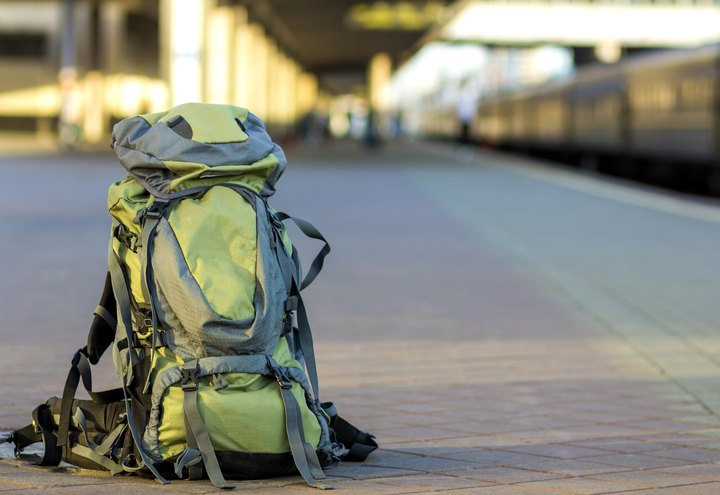
Sizes sort themselves by task. Five to ten litres holds a phone, wallet, passport and a change of shirt, and rides inside a day pack. Twenty to thirty litres is the useful single-bag size for a ferry crossing or an overnight on another island. Above forty litres a dry bag becomes a duffel and wants shoulder straps, a grab handle at each end, and a flat base that will actually stand up on a deck.
What we look for in use
Testing here means ordinary conditions rather than laboratory ones: repeated wet landings from open boats, a full day strapped to a bike rack in the sun, salt water left to dry on the fabric overnight, and sand worked into the closure deliberately. The failures that show up are consistent — buckle stems snapping where they meet the webbing, window panels on phone cases clouding, and the base abrading through where a bag has been set down on concrete jetties.
Two bags beat one. Keep a small sealed bag for documents and electronics inside the larger one, so a single closure failure never costs everything, and rinse both in fresh water on the day you get back to the mainland.