The clearest signal of the shift is the absence of a lobby. A recognisable category of new luxury property in under-visited Asia now opens with a dozen rooms, no reception desk, no branded scent, and a staff list drawn almost entirely from the surrounding district. What has been removed is more expensive than what has been added, which is roughly the definition of the thing.
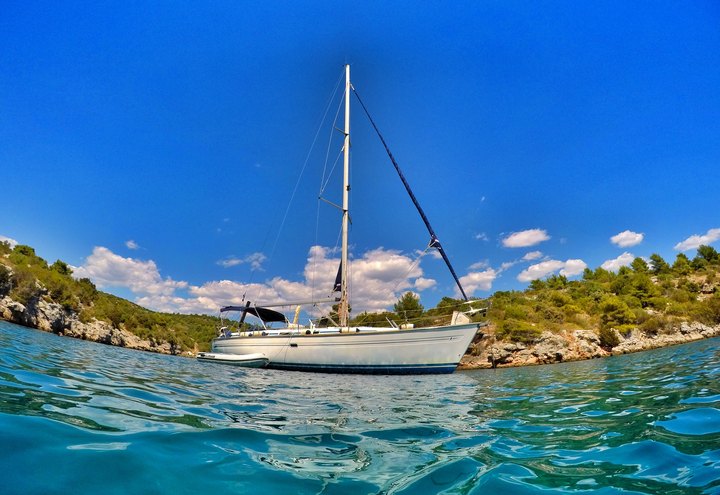
Five kinds of opening define it. Coastal lodges built from local hardwood and thatch, running on solar with battery storage because there is no grid to connect to. Restored courtyard and shophouse conversions in old towns, where the constraint is a conservation rule rather than a design brief. Highland farm estates, often coffee, where the guest wing pays for the harvest. Reef properties tied to marine monitoring, with a resident biologist and a boat schedule set by the survey rather than the guests. And single-villa compounds let whole, staffed by a household rather than a department.
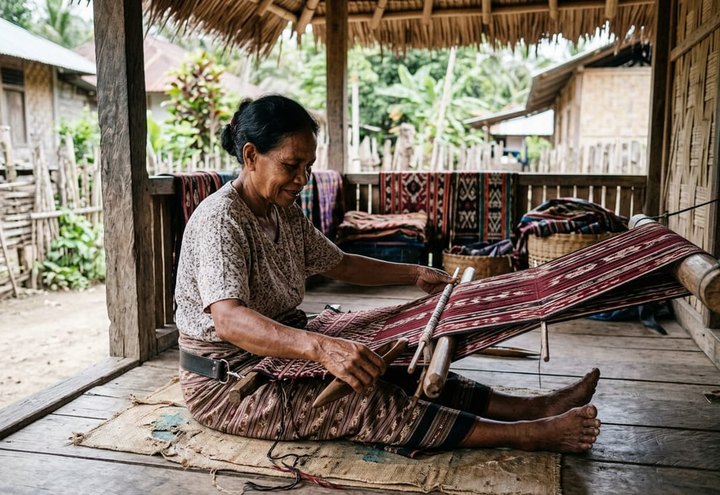
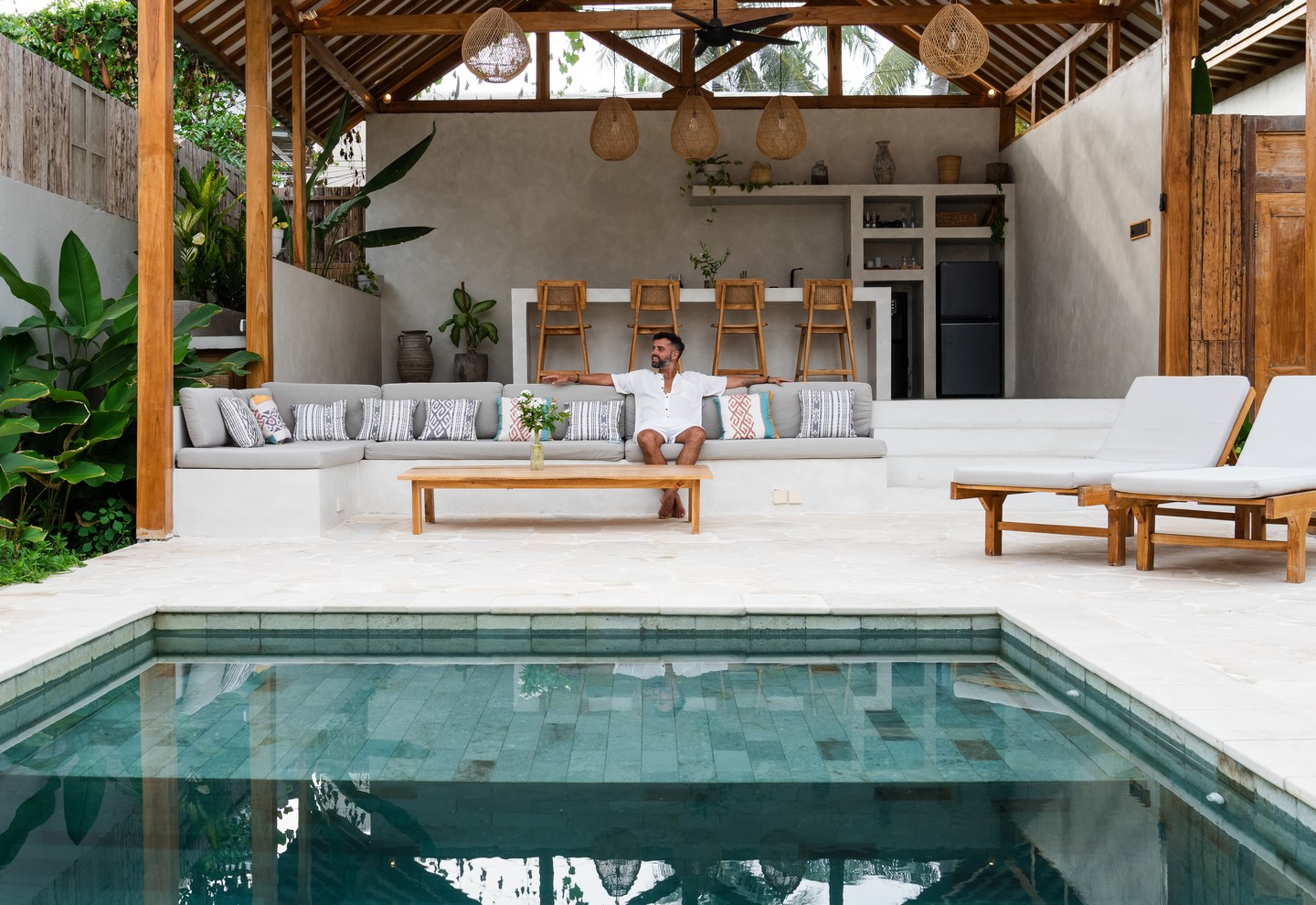
Materially, they look alike for good reasons. Freight into places without deep-water ports is expensive enough that imported marble stops making sense, so the palette becomes local stone, lime render, hardwood, rattan, and textiles woven nearby — in Timor-Leste, tais, the handwoven cloth whose patterns are specific to district and family. Low density is a consequence of the same arithmetic: water, power and waste are all handled on site, and twelve rooms is what a site can carry.
What the quiet costs
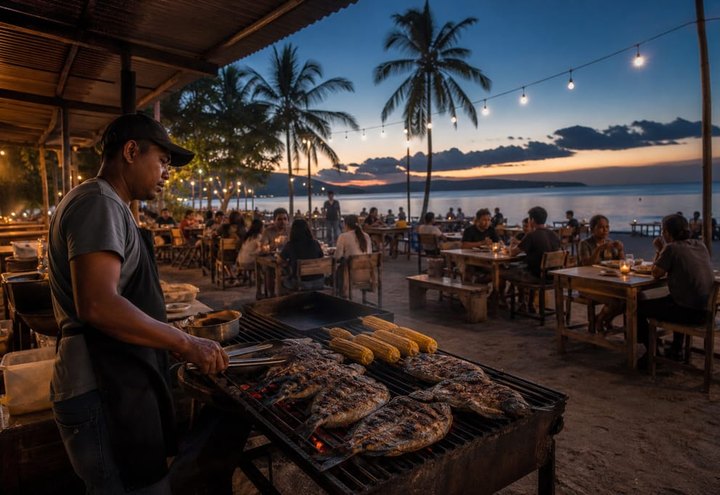
The trade-offs are real and worth stating. Air conditioning may run on a schedule. Connectivity is variable and sometimes deliberately absent. Menus are short because the ingredients arrive by boat twice a week. Service is warm and unpolished, since the person bringing breakfast learned hospitality in a house rather than a school, which most guests come to prefer and a few do not.
Rates sit broadly between US$250 and US$800 a night, meals usually included because there is nowhere else to eat (indicative, 2026), which places the category below international resort pricing and well above everything else locally available. That gap is the interesting part, and it is closing.
Timor-Leste has almost none of this yet, which is precisely why it is worth watching. ASEAN membership in 2025 has started the process, and the sites are obvious — the Atauro coast, the ridges above Ermera, the south side of the island. What happens over the next few years will decide whether the country gets twelve-room lodges or two-hundred-room resorts, and that is still an open question.