The seabed off northern Timor-Leste falls away almost immediately. Within a short run from Dili the depth passes a thousand metres, and in the Ombai-Wetar Strait it continues well beyond three thousand, forming one of the deep channels through which water moves between the Pacific and Indian oceans. That bathymetry is the reason for everything else: the upwelling, the fish, and the cetaceans that use the strait as a corridor.
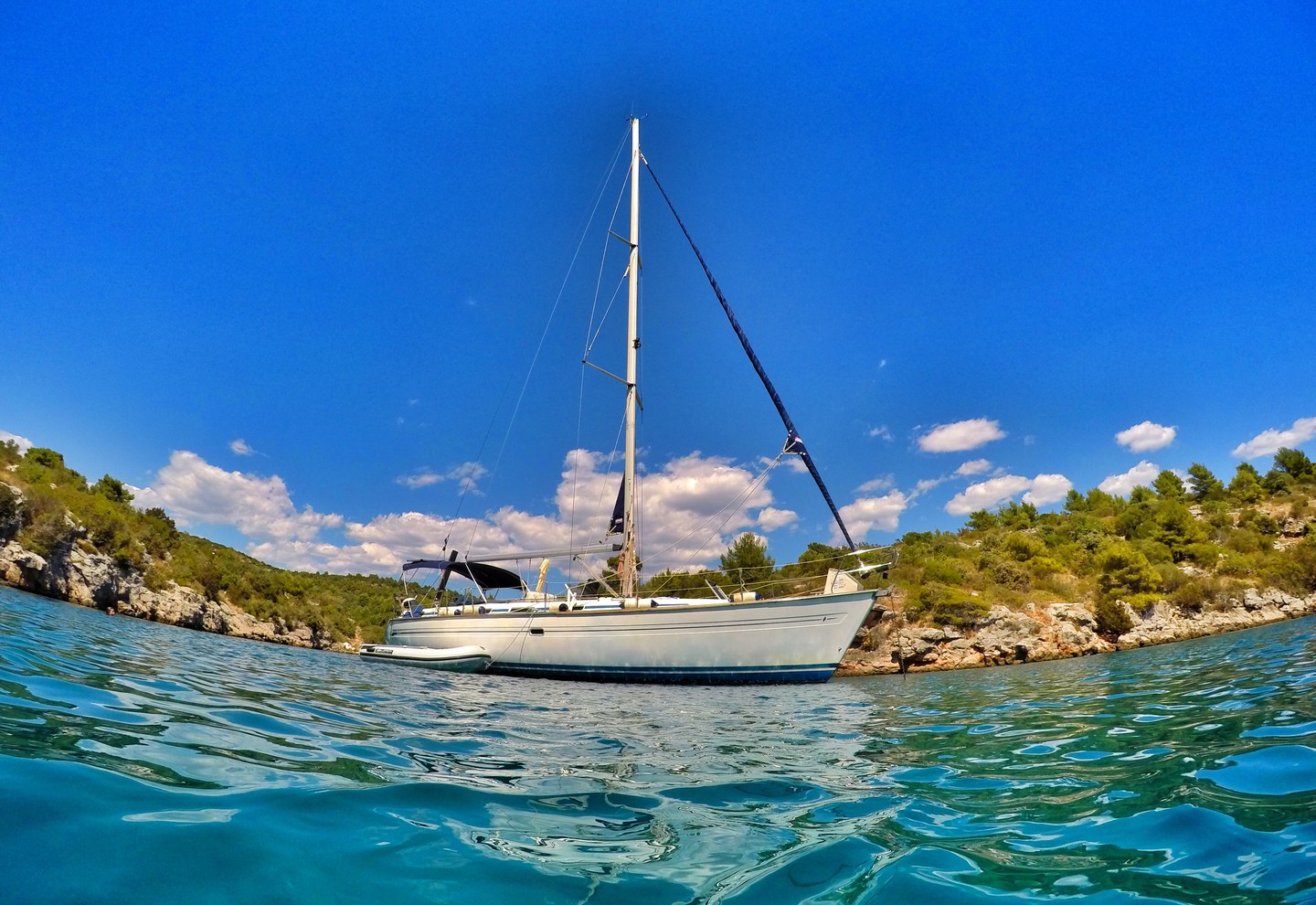
Charters here take two broad forms. The first is the traditional Indonesian-built phinisi, a two-masted timber vessel of thirty to forty metres, typically six to eight cabins, crewed by fifteen or more and run at a pace that suits long lunches and short tenders. The second is the purpose-built steel or aluminium liveaboard, less beautiful, more capable, with compressors, nitrox and a tender programme built around three or four dives a day. Both cross from Indonesian waters for the season rather than being based permanently in Dili, so availability is a matter of where the fleet is that month.
The itinerary tends to be short in distance and long in time. Atauro, some twenty-five kilometres north of the capital, is the anchor: reef surveys there have recorded exceptionally high reef-fish diversity, among the highest counts documented anywhere, and the island's north and west coasts hold walls that drop straight from the fringing reef. From there boats work east along the Wetar passage or south to Timor's own coast, moving mostly at night.
When to take the crossing
Whale and dolphin migration through the strait runs roughly October to December, when blue whales, sperm whales, pilot whales and very large mixed pods of dolphins pass through. That window is also the tail of the dry season, when the north coast is calmest and visibility is at its most reliable. Charters in this period book a year ahead, and the good crews are held by the boats that pay them properly.
Expect a private full-boat charter to run in the low thousands of US dollars per day for a mid-size vessel, with cabin-share rates a fraction of that (indicative, 2026); fuel surcharges for the crossing are commonly separate. Dili's port facilities are limited, provisioning is thinner than in Bali or Labuan Bajo, and boats generally stock for the whole voyage before arriving.
Ask, before booking, how the boat behaves around whales — distance kept, engines idled, no swimmers dropped in front of a pod. The strait is narrow, the traffic is still light, and how it is used now will decide what the animals do here in ten years.